
SEO is not about shortcuts or manipulating algorithms. It is about building content and experiences that genuinely help users, while making it easier for search engines to crawl, index, and understand your website.
The rest of this article breaks down how SEO actually works today and why most definitions completely miss the point.
What Is SEO and Why Is SEO Important?
If you’ve seen Book A Sloth show up exactly when someone searches “book home services near me” or noticed how Four Fox attracts learners who are already intent-driven, you’ve already seen SEO at work, even if no one called it that. SEO quietly positions a brand in front of people who are actively looking, not passively scrolling. That single difference is why SEO keeps compounding while ads stop the moment the budget pauses.
SEO isn’t about tricks or keywords alone. It’s about aligning what people search for with what your brand genuinely offers, then structuring your website so search engines trust, understand, and recommend it consistently.
Search Engine Optimization Explained in Simple Terms
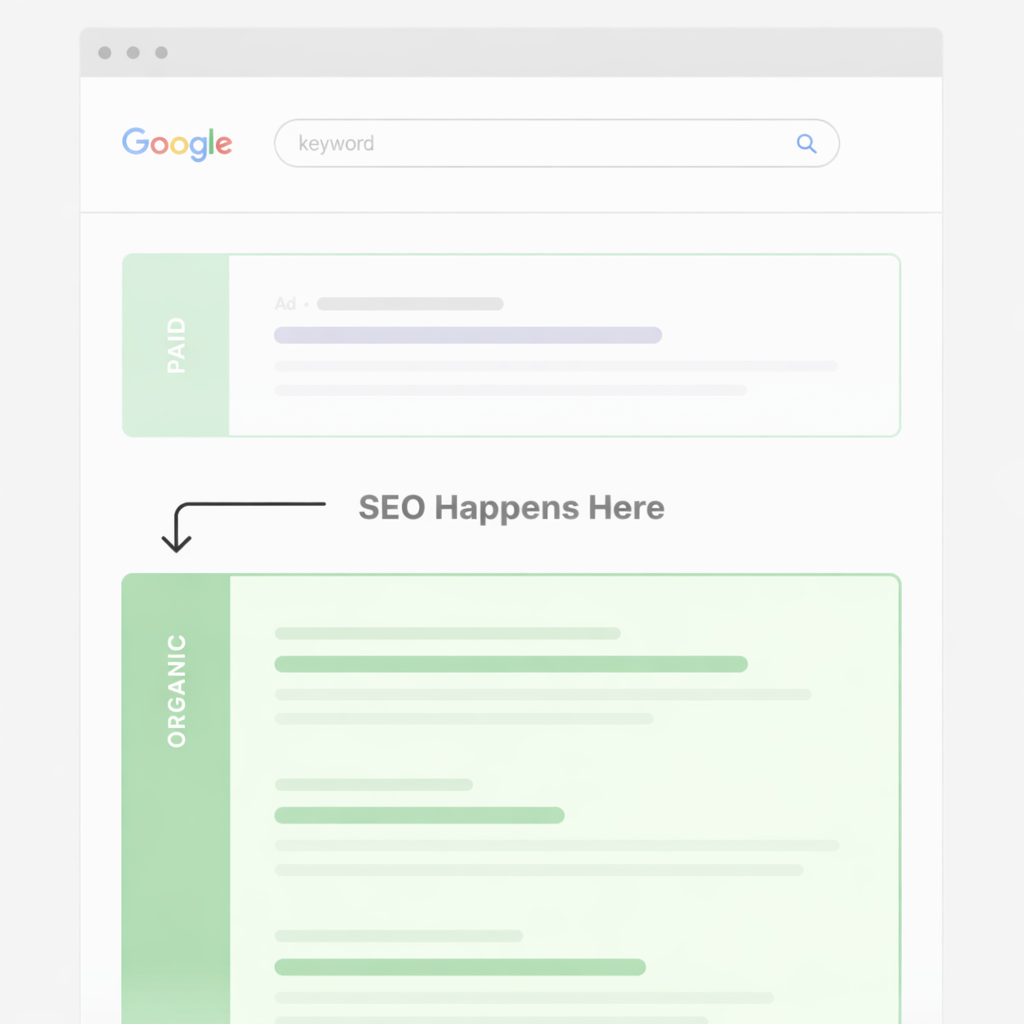
Search engine optimization is the process of making your website easier for search engines to understand and easier for users to trust. In simple terms, SEO helps your pages appear in search results when someone looks for a solution you already provide.
Think of Google like a librarian. When someone asks a question, it doesn’t want to guess. It wants to hand over the most relevant, clear, and trustworthy answer. SEO is how you label, organize, and explain your content so the librarian picks your book instead of leaving it on the shelf.
For example, when Book A Sloth structures its service pages clearly, explains offerings in plain language, and answers common user questions, search engines can confidently surface those pages. No shouting. No chasing. Just relevance meeting intent.

Why SEO Is Important for Visibility, Trust, and Growth
SEO is important because it solves three problems at once: visibility, trust, and sustainable growth.
Visibility comes first. If your brand does not appear when people search, you effectively do not exist in that moment. SEO places you exactly where intent lives, at the search result stage where decisions begin.
Trust comes next. Users instinctively trust organic results more than ads. When a training institute like Four Fox ranks organically for skill-based queries, it signals credibility before a single word is read. Rankings act as social proof at scale.
Growth is the long game. Unlike paid campaigns that reset every month, SEO compounds. Pages continue to attract traffic, leads, and conversions long after they are published. That compounding effect is why SEO becomes cheaper and more powerful over time, not the other way around.
How the Search Has Changed SEO Forever
Search is no longer about typing two keywords and clicking the first blue link. People now ask full questions, compare options, and expect precise answers across devices and formats.
Modern search engines understand intent, context, and meaning. They reward content that explains clearly, structures information logically, and genuinely helps the user move forward. This is why SEO today looks less like keyword placement and more like problem solving.
Brands that adapt to this shift win quietly. They focus on clarity, structure, and usefulness instead of manipulation. Whether it’s a service platform like Book A Sloth or an education brand like Four Fox, the winners are those who treat SEO as a communication discipline, not a technical loophole.
SEO hasn’t become harder. It has become more honest. And that’s exactly why it works.
How Search Engines Work and How SEO Works With Them
Search engines exist to connect people with the most useful answers at the exact moment they search. SEO works by aligning your content with how search engines discover, understand, and rank information across the web. When done correctly, SEO does not fight algorithms. It works alongside them to improve visibility in search results naturally.
How Search Engines Discover, Crawl, and Index Content
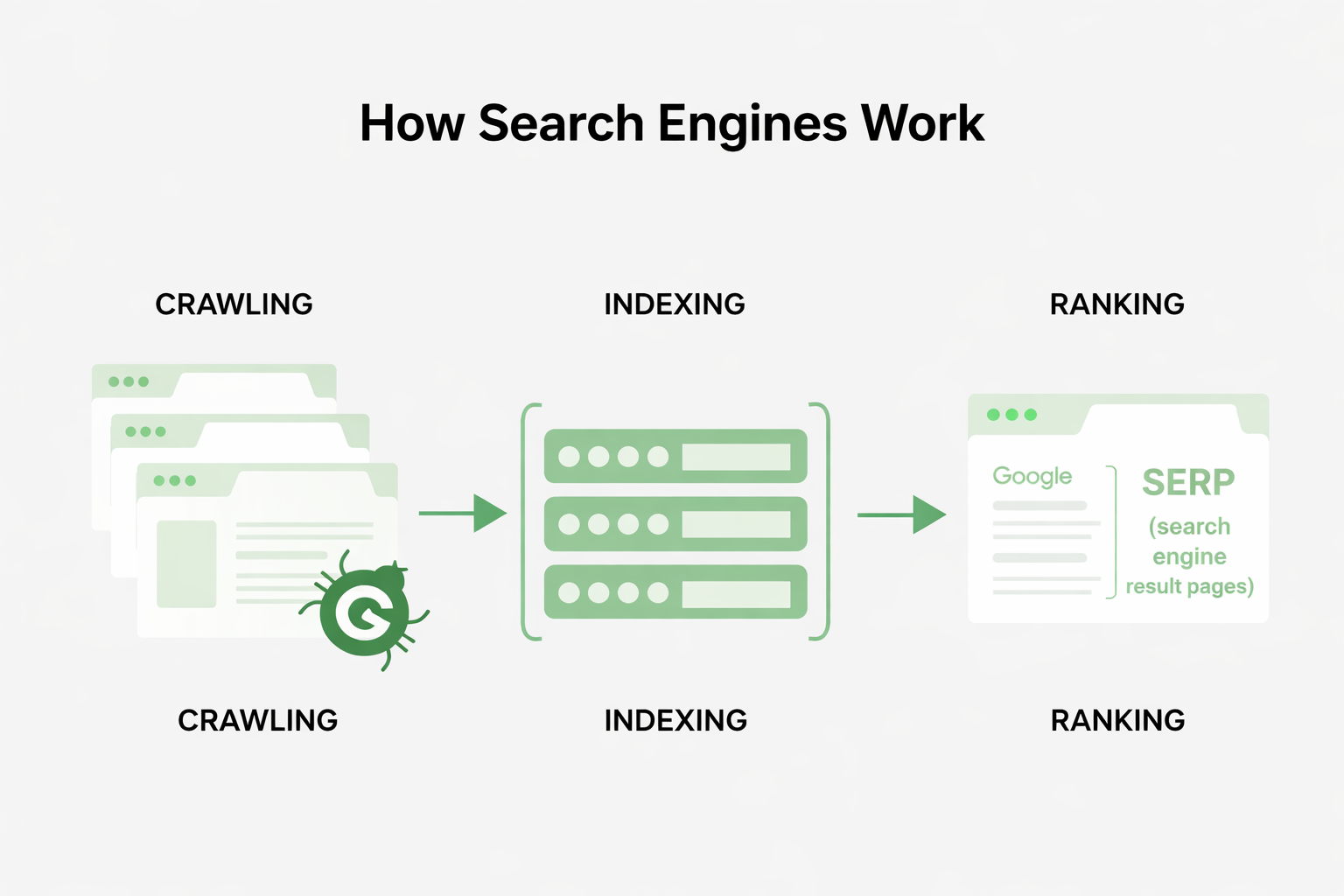
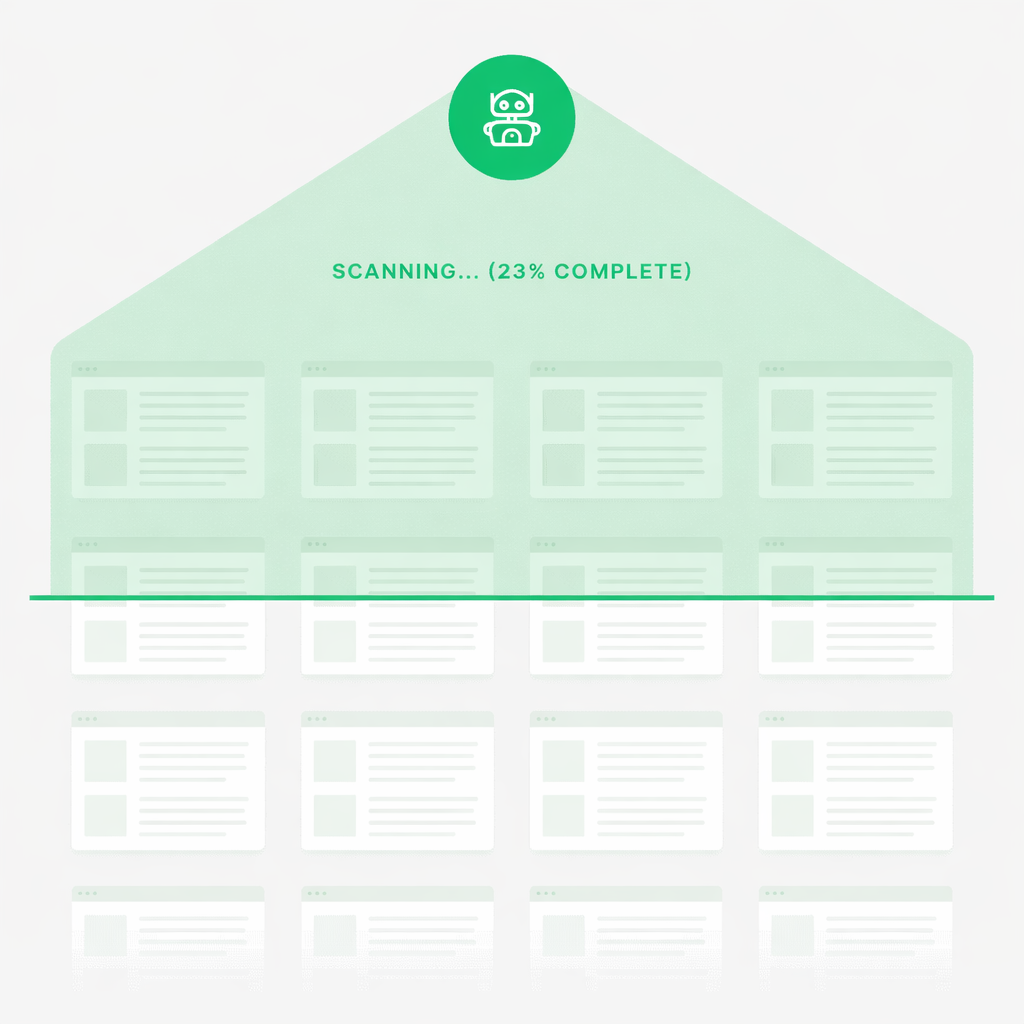
Search engines like Google constantly explore the web to find new and updated pages. They do this by following links, reading sitemaps, and accessing publicly available URLs. This discovery process ensures that pages can appear in organic search instead of remaining invisible.
Once a page is found, search engines crawl it. Crawling allows them to read HTML, analyze structure, and extract signals that help search engines understand what the page is about. Clear headings, logical links, and accessible content make this process easier for both search engines and users.
After crawling, eligible pages are stored in the search engine’s index. Being indexed means the content is now eligible to appear in search engine results when someone enters a relevant search term. Pages that fail to meet quality or accessibility standards may never reach this stage.
Example: For example, when Book A Sloth publishes a well-structured service page with clean HTML and internal links, search engines can easily crawl and index it, making it eligible to appear in organic search results when users search for home services.
How Search Results Are Generated and Ranked
When users enter a search query, search engines retrieve pages from their index and decide which ones deserve to appear on the search engine results page. This decision is based on relevance, usefulness, and how well a page matches search behavior.
Search engines use complex systems to evaluate pages. They analyze relevant keywords, context, and whether the content satisfies the intent behind the query. The goal is not just to rank pages, but to show answers that genuinely help users improve search experiences.
Ranking determines whether a page appears higher in search results or gets buried below competitors. Strong on-page SEO, clear structure, and alignment with search intent increase the chances of ranking higher in search results and reaching the top of the search results.
Example: For example, when Four Fox publishes clear program pages aligned with learner intent, those pages are more likely to rank in search results for skill-based queries instead of competing randomly for attention.
How SEO Works Alongside Search Engine Algorithms
SEO stands for search engine optimization, and its role is to help search engines understand your content while improving visibility in search. SEO refers to a set of practices that make pages clearer, more relevant, and more useful for both people and search engines.
On-page SEO focuses on structure, content clarity, and keyword optimization so search engines understand your pages correctly. Off-page SEO refers to actions that build trust and authority outside your website. Together, these different aspects of SEO influence search engine ranking without manipulating algorithms.
The goal of SEO is not to trick systems but to improve search outcomes. When SEO involves high-quality content, clean structure, and intent alignment, search engines and users benefit together, leading to sustainable visibility in search results.
Example: For example, a well-optimized training guide that follows search engine guidelines, uses relevant keywords naturally, and aligns with search intent will rank in search over time without relying on ads or short-term tactics.
Different Types of SEO You Need to Know Before You Learn SEO
SEO is a foundational part of modern digital marketing, but it is often misunderstood as a single activity. In reality, SEO is made up of multiple components, each addressing a different way users and search engines interact with your website. Knowing these types early helps you build correctly instead of fixing mistakes later.
Before you learn SEO tactics or tools, you need to understand how these pieces fit together. Only then do SEO strategies stop feeling random and start feeling predictable.
On Page SEO and Content Optimization
On page SEO focuses on what exists directly on your website. This includes structure, headings, internal links, and how clearly information is presented so search engines can interpret it accurately.
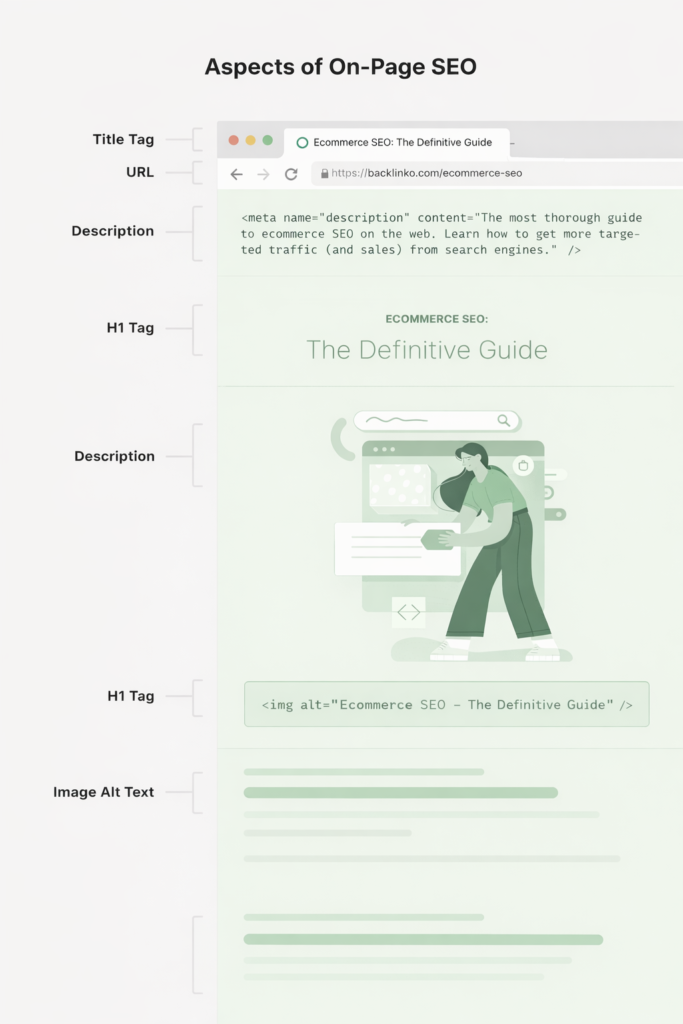
Content optimization sits at the center of this process. When you create content that answers real questions and follows logical flow, it becomes easier for search engines to evaluate relevance and quality. This is where most SEO strategies begin.
Good on page SEO aligns clarity with intent. When done right, it improves readability for humans and understanding for algorithms without forcing keywords unnaturally.
Example: For example, when Four Fox structures its course pages clearly and focuses on outcomes learners care about, those pages perform better in search without relying on paid promotion.
Off Page SEO and Authority Building
Off page SEO focuses on signals that come from outside your website. These signals help search engines judge credibility, trust, and relevance in a broader digital context.
Authority building is about earning recognition, not manufacturing it. Mentions, references, and citations from relevant sources reinforce the strength of your SEO strategies over time.
While off page SEO complements search engine marketing, it differs in intent. Search engine marketing relies on paid visibility, whereas off page SEO strengthens organic trust.
Example: For example, when industry platforms reference Book A Sloth, those mentions act as credibility signals that improve long-term organic visibility.
Technical SEO and Website Performance
Technical SEO ensures that your website functions smoothly for crawling, indexing, and performance. It addresses speed, mobile usability, and clean structure so search engines can process pages efficiently.
Even the best content can underperform if technical foundations are weak. Slow loading pages or broken structures prevent search engines from fully understanding your site.
Tools like Google Search Console play a critical role here by identifying indexing issues, performance gaps, and technical errors that block growth.
Example: For example, monitoring site health through Google Search Console allows teams to fix crawl errors early instead of discovering ranking drops later.
Local SEO and Intent Based Search
Local SEO targets searches where location and immediacy matter. These searches often happen when users are close to making a decision, not just researching.
This type of SEO focuses on relevance, proximity, and trust signals rather than broad reach. It supports visibility where intent is strongest and outcomes are fastest.
Local SEO works best when supported by consistent data, clear pages, and performance insights from Google Search Console.
Example: For example, a service business appearing at the right moment in local search results often converts faster than broader national visibility.
How Different Types of SEO Work Together
Each type of SEO strengthens a different layer of visibility. On page SEO builds clarity, off page SEO builds trust, technical SEO removes friction, and local SEO captures intent.
When combined, they support sustainable digital marketing growth without depending entirely on ads. This alignment ensures that when you create content, it performs across multiple search scenarios instead of isolated cases.
SEO works best when treated as a connected system, not a checklist. That system is what allows search performance to scale naturally over time.
Example: For example, when performance data from Google Search Console informs content decisions and authority signals reinforce relevance, SEO strategies compound instead of competing with each other.
Keywords, Search Intent, and Types of Search Explained
Keywords are no longer about matching words on a page. They are about mapping human intent to machine understanding across the web and search engines. To do SEO well today, you must understand how keywords, intent, and search behavior intersect and why that intersection plays a defining role in SEO success.
What Is a Keyword and Why It Still Matters
A keyword is the bridge between what people search for to find information and how search engines interpret that request. Even though language understanding has improved, keywords still matter because they anchor meaning and context within content.
Search engines use automated programs to analyze keywords as signals of relevance, topic focus, and depth. These programs help decide whether a page should be indexed by search engines and where it belongs in the broader content ecosystem.
The role in SEO of a keyword today is not repetition but precision. A well-chosen keyword reflects a specific search intent and helps search engines and users meet at the right moment.
Example: For example, when Four Fox targets keywords aligned with skill outcomes rather than generic terms, it attracts learners who already know what they want.
Types of Search and User Intent
Search intent explains why someone is searching, not just what they type. People may search to learn, compare, buy, or act immediately, and search engines in the mid-1990s were not capable of understanding this difference. Modern systems are.
Today, search engines use automated analysis to understand the search intent behind queries across web and search engines. This allows them to classify searches into informational, navigational, transactional, or exploratory categories.
Understanding intent improves user experience and search alignment. Pages that fail to match intent may be visible but will not perform well in search rankings.
Example: For example, when a user searches for home services with immediate need, platforms like Book A Sloth benefit from intent-matched pages rather than long educational content.
How Keywords Influence Search Results
Keywords influence how pages are evaluated and where they appear in google’s search results. They help determine relevance, context, and whether content deserves to reach the top of search results.
Once content is indexed by search engines, keywords guide how it is matched to queries. Search engines use automated programs to compare language patterns, topical relevance, and contextual signals across millions of pages.
Keywords do not guarantee rankings, but they shape eligibility. Without clear keyword alignment, even strong content struggles to earn website visibility in search results.
Example: For example, a page optimized around a clear keyword theme will outperform a vague page even if both discuss similar topics.
Keyword Strategy in Modern Search Marketing
Keyword strategy today is part of broader search marketing, not isolated SEO tactics. SEO – search engine optimization works alongside content planning, analytics, and experience design to support long-term visibility.
Modern strategies focus on being engine friendly while serving real users. This includes adapting keywords for international search, international SEO, and formats like video SEO without losing clarity.
Effective keyword strategy relies on data. Insights from Google Analytics and Google Search, analytics and Google Search Console, reveal how users move from query to action and whether SEO is to rank or to truly convert.
Example: For example, when a brand tracks how keywords perform across website’s search behavior and external queries, it can refine content strategy instead of guessing.
AI Tools and Search: New Era of Search
Search is no longer just about keywords and links. AI tools now influence how search engines interpret language, context, and intent, changing how results are discovered and ranked. This new era of search focuses more on meaning than matching.
AI-powered systems evaluate content holistically, looking at clarity, structure, and usefulness instead of surface-level signals. As a result, SEO has shifted toward helping machines understand content the same way humans do.
In this environment, writing clearly, structuring logically, and answering real questions matter more than ever. AI tools don’t replace SEO. They redefine what good SEO looks like.
Top SEO Tools
SEO tools exist to remove guesswork from decision-making. They provide visibility into performance, technical health, keyword opportunities, and user behavior across search.
The best SEO tools don’t just report data. They help translate data into actions by showing what to improve, what to fix, and what to scale next.
Used correctly, these tools support smarter planning, better content decisions, and long-term search growth instead of short-term wins.
Search Engine Marketing Strategies
Search engine marketing combines organic visibility with paid strategies to capture demand at different stages of intent. It ensures a brand appears when users are ready to learn, compare, or act.
Strong strategies balance SEO with paid campaigns instead of treating them as competitors. Organic builds trust and longevity, while paid accelerates reach and testing.
When aligned properly, search engine marketing becomes a system that drives consistent visibility, qualified traffic, and measurable growth over time.